Why the Fight for SNAP is Essential: Building a Shared Right to Food Strategy
Updated: Dec 16, 2025
December 15, 2025
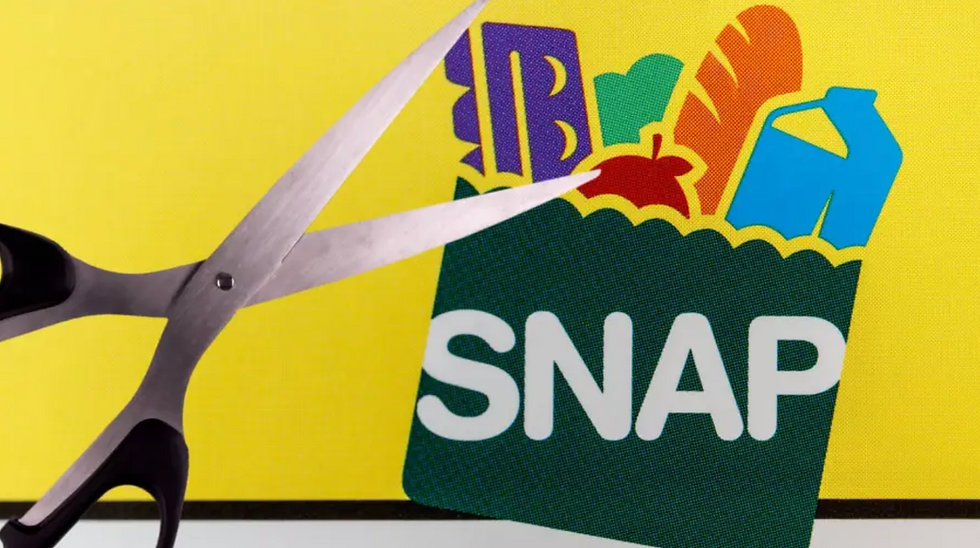
When SNAP benefits were threatened and then withheld from millions of people during the final weeks of the federal shutdown in November, it hit a nerve across the political spectrum. Through the noise and chaos of those weeks, it might have been easy to miss a common belief that presented itself in the background - a majority of us shared a concern about cutting off nutrition assistance. More than three quarters of likely voters thought this was a step too far in the attack on social and economic protections that has been gaining speed this year.

The threat of an abrupt removal of our largest anti-hunger program revealed an underlying, collective belief that our government does have a responsibility to maintain a basic safety net. As communities and states were left scrambling to find stop-gap solutions, more and more people began declaring ‘food as a human right’. Despite what often feels like an impossibly divided conversation about the role of the government in this country, the growing call for reinstating SNAP demonstrated there is a shared belief that we should live in a country where everyone can afford food, regardless of our circumstances.
Building a rights-based strategy from this shared belief
So how do we turn the shared concern about the abrupt threats to SNAP into a sustained strategy to defend and strengthen social and economic protections in this country? And how does a right to food framework help us do this work together?
A right to food framework locates our shared concerns about what is happening with nutrition assistance programs within an internationally recognized set of norms, aspirations, and obligations. These norms strengthen our local advocacy in towns, cities, and states by providing a collective way to focus on government accountability and the role our government plays in creating and sustaining the conditions needed for all of us to access nourishing food with dignity.
When public programs we care about - ones that promote the accessibility, availability, adequacy, and sustainability of our food - are defunded, eroded, or withdrawn, it is a threat to our right to food. As a network, the National Right to Food Community of Practice will continue to support advocates across the U.S. to use legal and narrative strategies at local and state levels to defend, protect, and promote the right to food for all.
Threats to SNAP continue
Though the immediate uncertainty of the federal shutdown is over, the threats to SNAP are not. When H.R.1 passed through the U.S. Congress in July 2025, it set in motion a foundational, fundamental change to the structure of SNAP.
Changes were made to limit the groups of people who are entitled to support and to make it harder for eligible people to prove they are in compliance with program requirements. This will result in a predicted loss of 2.4 million people per month from SNAP participation. Many groups of immigrants who are in the U.S. lawfully will no longer be eligible for SNAP, (undocumented immigrants have never been eligible). This includes refugees, people granted asylum, and certain survivors of domestic violence and sex trafficking who have been granted humanitarian protection by the federal government. Work requirements were expanded, despite evidence that they are ineffective and harmful. Many people, especially older and chronically ill people, struggle to demonstrate that they are working or seeking work for the required amount of hours per week. Exemptions were eliminated for veterans, people experiencing homelessness, and young people who recently aged out of foster care.
Substantive changes were also made to how SNAP is funded and operated by each state - placing extraordinary pressures on state budgets. States will bear additional administrative costs, face financial penalties, and need to find funding to replace cut programs if they choose to continue them. Since most states are required to balance their operating budgets, they will have to make difficult decisions about whether to raise local taxes, reallocate funding from other programs, or find ways to reduce the number of people participating in the SNAP program locally. Not all states will bear the weight of these changes equally, and the political context for these decisions will vary widely.
Strengthening legal protections
A key part of a coordinated strategy will be for coalitions of grassroots leaders, policy specialists, and legislators to monitor the impacts of these changes and strengthen protections at municipal and state levels. This includes taking action to both mitigate immediate harm and prepare the foundations for codifying the right to food.
Legislative strategies might include:
Defending existing entitlements in state law -
Require the state to use every available financial option before reducing the number of people who are eligible (states have the power to increase taxes or reallocate funding from elsewhere).
Prevent the state from opting out of SNAP entirely.
Protecting administrative resources in state law -
Protect funding for sufficient staff and technology to reduce administrative barriers (it is more common for people to lose benefits due to paperwork burdens and delays than for being determined ineligible)
Resist proposals that divert available resources from SNAP programming towards charitable responses (for every meal provided by food banks and food pantries, SNAP provides nine - it is not possible to replace the efficiency and efficacy of SNAP through charitable means, and states will need to use all their available resources as effectively as possible).
Strengthening legal foundations for the right to food -
Amend a city charter or state constitution to respect and protect the right to food.
For example, voters in Colorado recently agreed to a citizens’ ballot initiative that will help to mitigate harm to children and low-income households - it will increase taxes on households earning $300,000 or more in order to ensure there is sufficient funding for the state’s free school meals program, with any remainder supporting SNAP administration costs. As a network, the National Right to Food Community of Practice can bridge and build positive strategies based on learning and successes in other states.
We also encourage you to explore FRAC’s list of 12 actions for advocates and states.
Strengthening a shared narrative
The changes made to SNAP in H.R.1 will make it harder for millions of people to access food with dignity and choice. And the loss of these social protections will have profoundly negative effects on local economies, farmers, and grocers. At local and state levels, we can partner with and amplify the voices of people who are bearing the brunt of these changes, including those who are directly affected and wider communities of farmers, grocers, and food system workers who will lose income and job security as a result of these changes.
Across our growing network, we can work together to amplify our shared values through communication with our local audiences about the importance of SNAP for everyone in our communities. Key messages include:
Everyone should have the financial means to access nutritious food.
Food is a public good and central to a transformed society that prioritizes equity, compassion, and sustainability.
Food is a human right.
We invite you to draw on our Right to Food Narrative Framework as a tool for crafting messages that will resonate with your own local audiences, in your own local context.
Next steps
This post is part of a series about how SNAP helps to realize the right to food and why we are supporting coordinated and sustained strategies at local and state levels for protecting this essential program from efforts to reduce access. The next post in this series outlines the ways in which SNAP aligns with a right to food framework.
We encourage you to read our previous posts about how the federal shutdown underscored the need for the right to food and to look out for more information from our members and partners about how advocates are using a right to food framework to defend and protect SNAP at local and state levels.
More information:
Food Research and Action Center (FRAC)’s 12 Actions Advocates and States Should Take Now to Mitigate Harm of H.R. 1 SNAP Cuts (Sept 2025)
Alliance to End Hunger’s detailed overview of the Impacts of H.R.1 On Food Security & Nutrition Policy and Programs
FRAC’s assessment of how H.R.1 will strain state budgets